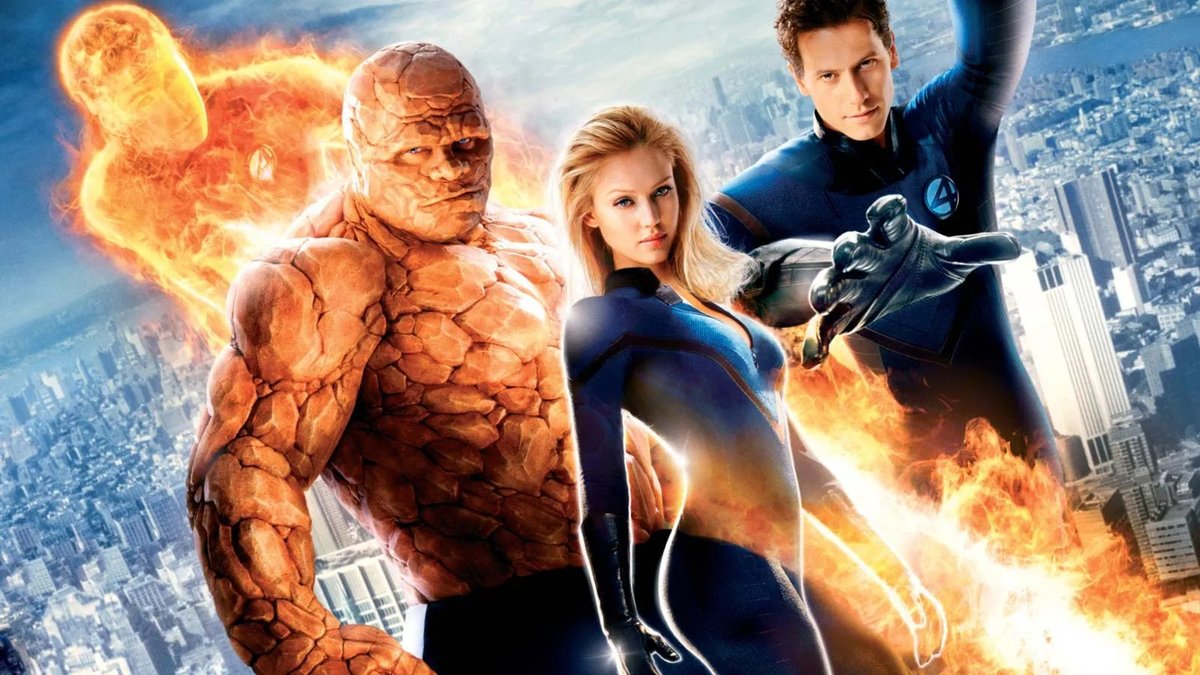
The Fantastic Four, Marvel's First Family, have always held a unique place in comic book lore. Their blend of cosmic adventure, scientific exploration, and deeply human family drama set them apart, influencing generations of heroes. Yet, translating this rich legacy into a consistent, critically acclaimed stream of Fantastic Four in Film, TV & Video Games has proven to be an astonishingly persistent challenge. From unreleased oddities to box-office bombs and questionable video game tie-ins, their journey through other media has been a convoluted odyssey—until now, perhaps.
For decades, the Fantastic Four's presence outside of comic pages has often been a frustrating spectacle, marked by missed opportunities and creative misfires that left fans yearning for adaptations worthy of their iconic status. But with new developments and a fresh approach, the tide may finally be turning for Reed, Sue, Johnny, and Ben.
At a Glance: The Fantastic Four's Media Journey
- Early Attempts (1990s): A low-budget, unreleased film in 1994 was primarily a rights-retention effort, quickly becoming a legendary bootleg curiosity rather than a cinematic debut.
- Fox's First Era (2005-2007): Two films, Fantastic Four (2005) and Rise of the Silver Surfer (2007), were box office successes despite poor critical reception, struggling to capture the team's essence.
- The Gaming Gauntlet (2005): A movie tie-in video game for the 2005 film offered a beat-em-up experience that, while nostalgic for some, was largely forgettable and riddled with technical flaws.
- The Ill-Fated Reboot (2015): Fant4stic attempted a darker, grittier take on the team, resulting in a critical and commercial disaster that left the franchise in limbo.
- MCU Era (2019-Present): With Marvel Studios regaining the rights, the Fantastic Four began with tantalizing multiversal cameos, signaling a long-awaited integration into the Marvel Cinematic Universe.
- First Steps (2025): The upcoming MCU film, The Fantastic Four: First Steps, is poised to introduce the team with a unique retro-futuristic setting, a stellar cast, and a promise to avoid a conventional origin story, finally aiming to deliver the definitive adaptation fans have craved.
The Rocky Road to the Silver Screen: A History of Rights and Reboots
The journey of the Fantastic Four to the big screen is a saga almost as complex as their comic book adventures, riddled with legal maneuvering, creative challenges, and the shifting landscape of Hollywood itself. Constantin Film initially acquired the rights to Marvel's First Family way back in 1986, setting the stage for decades of attempts to bring them to life.
The Corman Cut: A License-Saving Effort (1994)
Before the era of big-budget superhero blockbusters, the very first live-action Fantastic Four film was born out of necessity, not ambition. Produced in 1992 by Roger Corman's New Horizon Studios, this low-budget endeavor was less a theatrical release and more a strategic move to prevent Constantin Film from losing the rights. It was never officially released, destined instead for the bootleg market where it gained a cult following as a fascinating, if "painfully silly," curiosity. This unreleased gem, a relic of a bygone era of superhero filmmaking, served as a stark reminder of the hurdles involved in adapting even the most popular comic properties.
Fox's First Foray: High Hopes, Mixed Results (2005 & 2007)
Constantin Film sub-licensed the rights to 20th Century Fox in 2004, ushering in the first major theatrical push for the team.
Fantastic Four (2005): Origin Story and Initial Reception
Directed by Tim Story, the 2005 Fantastic Four film arrived on July 8, 2005, introducing audiences to Ioan Gruffudd as Reed Richards, Jessica Alba as Susan Storm, Chris Evans as Johnny Storm, Michael Chiklis as Ben Grimm, and Julian McMahon as Doctor Doom. The plot adhered closely to the classic origin, with the four gaining their powers after being exposed to a cosmic storm during a space mission.
While the film had its moments, particularly with Chris Evans's charming portrayal of the Human Torch, it struggled with critical reception. Many found it to be a light, somewhat superficial take on the characters, lacking the scientific gravitas of Reed Richards or the dramatic weight of Ben Grimm's transformation.
Fantastic Four: Rise of the Silver Surfer (2007): Expanding the Cosmic Canvas
Two years later, Tim Story returned for Fantastic Four: Rise of the Silver Surfer, released on June 15, 2007. This sequel delved into the cosmic side of the Fantastic Four's mythology, drawing inspiration from iconic storylines like "The Galactus Trilogy" and "Ultimate Extinction." The story saw the enigmatic Silver Surfer arrive on Earth, heralding the coming of Galactus, the Devourer of Worlds. Forced to confront this existential threat, the Fantastic Four even found themselves reluctantly allying with Doctor Doom.
Despite its more ambitious scope and the introduction of beloved characters like the Silver Surfer, the sequel also faced significant critical backlash. Both the 2005 and 2007 films, while commercially successful with a combined worldwide gross of US$635 million, failed to impress critics. Fox's disappointment with the sequel's box-office performance, particularly compared to other superhero films of the era, led to the cancellation of a planned third film and a Silver Surfer spin-off, leaving the First Family's cinematic future uncertain once again.
Why Fox's Initial Vision Stalled
The primary issue with the Tim Story films, from a critical perspective, was their struggle to balance the team's unique blend of family dynamics, scientific wonder, and cosmic adventure. They leaned heavily into the lighter, more comedic elements, often at the expense of the depth and gravitas that define characters like Reed Richards and the tragedy of the Thing. While they delivered on the visual spectacle of powers, the heart of the Fantastic Four—their unique bond as a family of explorers and innovators—felt underdeveloped.
The Gritty Reboot Attempt: Fant4stic (2015)
In an attempt to revitalize the franchise, 20th Century Fox greenlit a darker, grittier reboot. Directed by Josh Trank, Fantastic Four (stylized as Fant4stic) arrived on August 7, 2015, featuring a new cast: Miles Teller as Reed Richards, Kate Mara as Sue Storm, Michael B. Jordan as Johnny Storm, Jamie Bell as Ben Grimm, and Toby Kebbell as Doctor Doom. Loosely based on the Ultimate Fantastic Four comics, this iteration depicted the team gaining their powers after teleporting to an alternate universe.
A Darker Tone, a Disastrous Outcome
The 2015 film was an unmitigated disaster. It received overwhelmingly negative reviews, becoming a box-office bomb and widely regarded as one of the worst superhero films ever made. Director Josh Trank publicly disowned the final product, implying significant studio interference that altered his original vision.
What Went Wrong? Critical and Commercial Failure
Critics lambasted Fant4stic for its bleak tone, inconsistent character arcs, uninspired designs (especially a widely panned Doctor Doom), bland acting, and a poorly written, disjointed story. The film felt like a Frankenstein's monster of ideas, with studio-mandated reshoots and changes visibly tearing it apart. Its failure was so profound that a scheduled 2017 sequel was swiftly canceled, effectively ending Fox's second attempt at the franchise and leaving the Fantastic Four in cinematic purgatory. Producer Simon Kinberg famously stated they wouldn't make another Fantastic Four film until it was "100% right," a sentiment that underscored the profound disappointment surrounding this adaptation.
The Wilderness Years: Canceled Projects and Unfulfilled Promise
Between the 2015 reboot's spectacular failure and the eventual return of the rights to Marvel, a few other Fantastic Four-related projects lingered in development hell:
- Third 2005 Series Installment: Before the 2007 sequel's underperformance, a third film in the Tim Story series was considered. Story himself expressed interest in featuring Djimon Hounsou as Black Panther and the Puppet Master as a villain, hinting at an expanding universe. However, these plans were officially canceled by August 2009.
- Doctor Doom Film: In 2017, Legion creator Noah Hawley was developing a film centered on the iconic villain, Doctor Doom. The project generated considerable buzz due to Hawley's unique creative vision, but its fate became uncertain after the Disney/Fox acquisition, with Hawley later implying the project was "done."
- Silver Surfer Spin-off: The character's popularity after Rise of the Silver Surfer prompted spin-off discussions. J. Michael Straczynski wrote a screenplay in 2007, and later, Brian K. Vaughan was attached to a script in 2018. Both projects, however, eventually fell by the wayside.
These canceled ventures highlight the persistent desire to tap into the Fantastic Four's rich rogues' gallery and cosmic lore, even as the core team struggled to find its footing.
Beyond the Big Screen: The Fantastic Four in Video Games
While the cinematic journey was tumultuous, the Fantastic Four's presence in video games largely mirrored the challenges faced in film, often relegated to the realm of movie tie-ins. The landscape of licensed games has evolved dramatically, but there was a time when almost every major film warranted a companion game, for better or worse.
The Era of Movie Tie-Ins: A Look Back at the 2005 Game
The 2005 Fantastic Four movie was no exception, spawning a tie-in video game that quickly became a quintessential example of the era's licensed game woes. Released for platforms like the GameCube, the game's primary selling point for many was a free movie ticket bundled with purchase. This strategy alone speaks volumes about the expected quality.
The Mechanics of Mediocrity: Beat-Em-Ups and Broken Promises
The 2005 Fantastic Four game adopted an overhead beat-em-up style, clearly influenced by the successful X-Men Legends. This genre often thrived on cooperative gameplay and accessible combat. However, the Fantastic Four game stumbled where X-Men Legends excelled. It suffered from common issues of the period: a slow, unresponsive camera that made navigation a chore, sluggish and unresponsive attacks that turned combat into a frustrating button-mashing exercise, and clunky menuing that pulled players out of any semblance of immersion.
The game did try to offer more depth, featuring a story that was an early draft for the film and including additional characters like the Mole Man, who didn't make the final theatrical cut. Full video cutscenes and voice acting by the film's actors—including Chris Evans and Michael Chiklis—were touted as major selling points. However, the delivery of these lines was often poor, failing to elevate the overall experience. Many players, like the author of a retrospective, grew frustrated after mere hours, returning the game only to find that the promised $6.50 movie ticket wasn't honored, further diminishing its value, which often dropped to a paltry $10 trade-in.
The Nostalgia Trap: Why "Bad Games Need to Exist"
This era of movie tie-in games has largely vanished, replaced by a mobile-dominated market and higher-budget console titles. Yet, there's a conflicted nostalgia for titles like the 2005 Fantastic Four game. As one perspective suggests, "bad games need to exist" because they often represent the titles players experienced in their youth. The nostalgia isn't for the games' inherent quality, but for the era itself—a time when licensed games, regardless of their polish, were a regular fixture, adding to the cultural tapestry of film and gaming. They were accessible entry points into beloved franchises, even if the experience was more frustrating than fantastic.
The Shift in Gaming Landscape: Where Are Licensed Games Now?
The days of quick, often low-quality, movie tie-in games are largely over. The gaming industry has matured, with budgets soaring and expectations for quality much higher. While Marvel and DC still have a strong presence in gaming, it's typically through larger, more polished AAA titles (like Insomniac's Spider-Man games) or a steady stream of mobile-first experiences. The Fantastic Four themselves have appeared in various mobile games and ensemble titles, but a dedicated, high-budget console game has remained elusive, reflecting both their cinematic struggles and the changing economics of game development.
Entering the MCU: A New Era for Marvel's First Family
The most significant turning point for the Fantastic Four's media journey came in March 2019, when Disney's acquisition of 21st Century Fox meant that Marvel Studios finally regained the film rights to the First Family. This event opened the door for their long-awaited integration into the sprawling Marvel Cinematic Universe (MCU), a prospect that has electrified fans globally. Fox-produced Fantastic Four films were eventually rebranded "Marvel Legacy" and then "Fantastic Adventures" on Disney+, cementing their place in a historical context while making way for the new.
Early Glimpses: Multiversal Cameos and Hints
Before their full introduction, Marvel Studios began to tease the Fantastic Four's existence through multiversal appearances and clever Easter eggs:
- Reed Richards (Earth-838) in Doctor Strange in the Multiverse of Madness (2022): The first official glimpse of a Fantastic Four member within the MCU came with John Krasinski's portrayal of Reed Richards from Earth-838. As a member of his reality's Illuminati, this version of Mr. Fantastic was a welcome, if ultimately tragic, sight for fans, setting the precedent that the team exists in various forms across the multiverse. His brutal, if brief, encounter with the Scarlet Witch left an indelible mark.
- Johnny Storm (Chris Evans) in Deadpool & Wolverine (2024): In a surprising and meta nod to the Fox era, Chris Evans reprised his role as Johnny Storm from the Tim Story films in Deadpool & Wolverine. This incarnation was depicted as having been sent to the Void by the Time Variance Authority, where he joined a Resistance against Cassandra Nova, only to meet a fiery end. The film also featured the iconic Fantasti-Car and a direct mention of Reed Richards, further bridging the gap between past adaptations and the MCU's multiversal narrative.
- A Post-Credit Tease in Deadpool & Wolverine: The film's post-credit scene offered the most direct hint yet at the Fantastic Four's imminent arrival in the main MCU continuity. It showed the New Avengers receiving a distress signal from the Fantastic Four's spaceship as it entered Earth-616 from Earth-828, clearly setting the stage for their grand debut.
These cameos and subtle inclusions have skillfully built anticipation, laying groundwork without rushing their full introduction, a hallmark of the MCU's carefully constructed narrative. Explore the Fantastic Four universe for deeper insights into the team's comic book history and their enduring appeal.
The Fantastic Four: First Steps (2025): A Deep Dive into the MCU's Vision
The moment fans truly awaited arrived with the official announcement of The Fantastic Four: First Steps at San Diego Comic-Con in 2019. This film is poised to finally bring Marvel's First Family into the MCU proper, with a release date set for July 25, 2025, as part of MCU Phase Six.
Casting the Icons: Pedro Pascal, Vanessa Kirby, Joseph Quinn, Ebon Moss-Bachrach
The casting announcements for First Steps have generated immense excitement, signaling Marvel Studios' commitment to finding the right actors to embody these beloved characters:
- Pedro Pascal as Reed Richards / Mister Fantastic
- Vanessa Kirby as Susan Storm / Invisible Woman
- Joseph Quinn as Johnny Storm / Human Torch
- Ebon Moss-Bachrach as Ben Grimm / The Thing
Additionally, Julia Garner has been cast as Shalla-Bal, a new iteration of the Silver Surfer, and Ralph Ineson will portray the cosmic entity Galactus, promising a return to the grand, universe-spanning adventures the Fantastic Four are known for. John Malkovich, Paul Walter Hauser, and Natasha Lyonne have also joined the cast in undisclosed roles, adding further intrigue.
A Retro-Futuristic Twist: Setting and Story Approach
Under the direction of Matt Shakman (who stepped in after Jon Watts departed the project) and with a script from writers like Jeff Kaplan, Ian Springer, and Josh Friedman, First Steps is taking a unique approach. It will reportedly not be an origin story, a welcome decision for a team whose origin has been retold numerous times. Instead, the film is set in a 1960s-inspired retro-futuristic alternate reality, distinct from the main MCU continuity, offering a fresh aesthetic and a clean slate for the team. This allows the narrative to focus on their established dynamic and adventures, bypassing the need to re-explain how they gained their powers. Principal photography took place in London from late July to November 2024, with Michael Giacchino composing the score, promising a distinctive cinematic experience.
Galactus, Silver Surfer, and the Looming Threat of Doctor Doom
The inclusion of Galactus and the Silver Surfer confirms the film's cosmic ambitions. Furthermore, Robert Downey Jr. is slated to portray Doctor Doom, reprising the role from First Steps' mid-credits scene, building immense anticipation for the iconic villain's MCU debut. This suggests a long-term plan for the character and his profound rivalry with the Fantastic Four. Early buzz (or the "ground truth" provided implies this as a known outcome) suggests The Fantastic Four: First Steps is the first Fantastic Four film to receive mainly positive reviews, a monumental shift from previous adaptations.
Integration into the Wider MCU Saga
The core cast of The Fantastic Four: First Steps is set to reprise their roles in the upcoming Avengers: Doomsday (2026) and Avengers: Secret Wars (2027), firmly embedding Marvel's First Family at the heart of the MCU's overarching Multiverse Saga. This commitment signals that the Fantastic Four will play a pivotal role in the future of the shared universe, a testament to Marvel Studios' confidence in their new vision for the team.
Assessing the Legacy: Why the Fantastic Four's Adaptations Have Struggled (and Why Hope Remains)
The history of Fantastic Four adaptations is a case study in how even the most iconic characters can prove challenging to translate effectively. The repeated failures and reboots aren't just bad luck; they point to fundamental issues in understanding the team's core appeal.
Common Pitfalls: Tone, Villains, and the Balance of Family Dynamics
Previous attempts often faltered by:
- Missing the Tone: The Fantastic Four thrives on a blend of sci-fi wonder, lighthearted adventure, and genuine human drama. The Tim Story films were often too light, bordering on camp, while Fant4stic swung too far in the other direction, becoming overly grim and dour. Finding that sweet spot, where scientific brilliance coexists with familial squabbles and cosmic threats, is crucial.
- Mishandling Villains: Doctor Doom, arguably Marvel's greatest villain, has been consistently diluted or poorly characterized in past films. His complex blend of ego, scientific genius, and dictatorial ambition requires a nuanced portrayal that avoids turning him into a generic antagonist. Similarly, cosmic threats like Galactus were often scaled down or misunderstood.
- Struggling with Family Dynamics: At its heart, the Fantastic Four is about family. The interplay between Reed's detached intellect, Sue's maternal strength, Johnny's impetuousness, and Ben's gruff loyalty is what defines them. Past films often struggled to make these relationships feel authentic and central to the narrative, instead focusing more on their powers.
The Challenge of Mr. Fantastic's Powers and The Thing's Appearance
Visually, the Fantastic Four present unique challenges:
- Mr. Fantastic's Powers: Reed Richards' stretching abilities can easily look silly or unconvincing if not handled with sophisticated CGI and a clear understanding of its utility in combat and problem-solving.
- The Thing's Appearance: Ben Grimm's rocky form requires significant special effects work to make him feel weighty and real, not just a man in a suit or a floating CGI model. Portraying his tragic humanity beneath the monstrous exterior is equally important.
Why the MCU Might Finally Get It Right
There's strong reason to believe the MCU iteration will succeed where others have failed:
- Established Tone and Universe: The MCU has a proven track record of balancing humor, drama, and action within a cohesive universe. They understand how to introduce complex characters and build anticipation.
- No Origin Story: By skipping the origin, First Steps can immediately dive into the team's established dynamic, their struggles, and their adventures, focusing on character development rather than exposition.
- Casting and Creative Team: The carefully selected cast and the creative team behind First Steps suggest a deep respect for the source material and a commitment to delivering a faithful yet fresh adaptation.
- Long-Term Planning: The Fantastic Four's integration into the Multiverse Saga, with their roles in future Avengers films and the planned introduction of Robert Downey Jr.'s Doctor Doom, demonstrates a strategic, long-term vision that can allow the characters to grow and evolve.
What's Next for Marvel's First Family? Navigating the Future of the Fantastic Four
The journey of the Fantastic Four through film, TV, and video games has been a rollercoaster, from unfulfilled promises and critical disappointments to the threshold of a new, highly anticipated era within the MCU. The mixed legacy of past adaptations serves as a powerful reminder of the delicate balance required to capture the magic of Marvel's First Family.
As The Fantastic Four: First Steps prepares to launch, the stakes are incredibly high. For fans who have waited decades for a truly great adaptation, this film represents not just another movie, but a potential validation of their enduring faith in Reed, Sue, Johnny, and Ben. If Marvel Studios can indeed strike that elusive balance of scientific wonder, familial heart, and cosmic grandeur, then the Fantastic Four are poised to reclaim their rightful place not just as comic book icons, but as beloved cinematic legends. The future looks brighter than ever for these intrepid explorers, and their "first steps" into the MCU could finally usher in the era of fantastic adaptations they've always deserved.